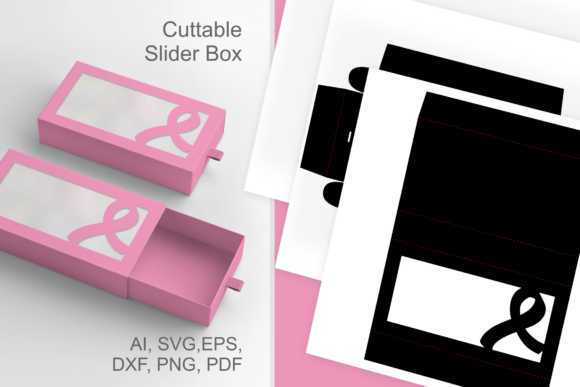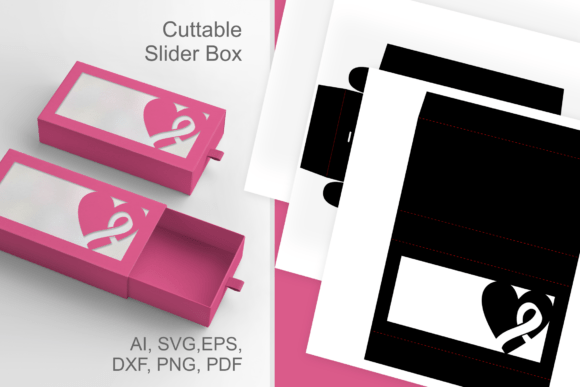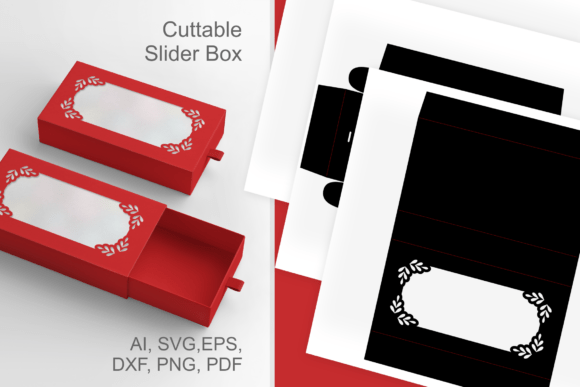
Tiny Flowers Awareness Ribbon Drawer Box Review
As a designer who spends more time staring at stitch simulations than I care to admit, I have learned that the difference between a charming handmade item and a professional-grade product often lies in the details. When I first encountered the Tiny Flowers Awareness Ribbon Drawer Box, my initial reaction was one of cautious curiosity. It is categorized under Objects and delivered as a 3D SVG, which immediately signals that this is not your standard flat embroidery pattern. It is a structural design intended for paper crafting, yet its aesthetic potential for textile applications is worth a deeper look for those of us in the embroidery community.
First Impressions and Visual Mood
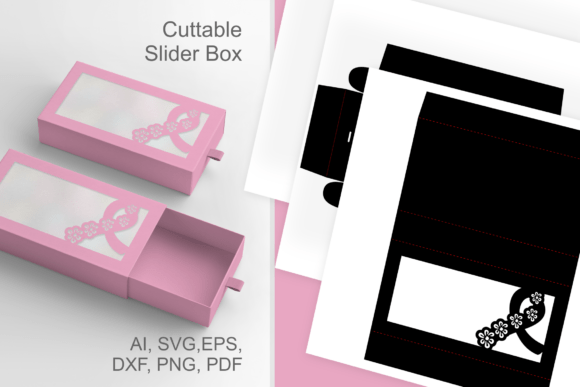
The design centers on a delicate interplay between symbolism and softness. The awareness ribbon, a universal sign of support and solidarity, is softened by the inclusion of tiny floral elements. This combination creates a mood that is both serious and hopeful. For an embroidery designer, this duality is gold. It allows us to create pieces that acknowledge difficult topics—such as health struggles or social causes—without feeling heavy or clinical. The "tiny flowers" aspect suggests intricacy. In a digital file, these small details can sometimes get lost, but in a well-digitized machine embroidery design, they add texture and visual interest that draws the eye.
The layout feels balanced. The ribbon provides a strong central anchor, while the flowers offer organic movement around it. This visual personality fits naturally into projects that require a touch of elegance. It does not scream for attention; rather, it invites a closer look. For Etsy sellers and small shop owners, this subtlety is a major selling point. Customers are increasingly looking for meaningful, understated designs that convey emotion without being overly loud.
Real-World Application: The Custom Tote Scenario
To truly evaluate the Tiny Flowers Awareness Ribbon Drawer Box, I imagined applying its core motif to a real-world project. Let’s say I am preparing a custom order for a local nonprofit hosting a fundraising gala. They need personalized gifts for their volunteers. A canvas tote bag design seems like the perfect vessel.
In this scenario, the floral ribbon motif would be stitched onto the front panel of a natural cotton tote. I would likely choose a satin stitch for the ribbon to give it a smooth, polished look, contrasting with a lighter fill stitch or even a running stitch outline for the tiny flowers to keep the design from becoming too dense. The result would be a bag that feels special and intentional. It transforms a simple utility item into a keepsake. When a volunteer carries this bag, it sparks conversation. The design acts as a quiet badge of honor. This is the power of good embroidery project planning: the design serves the purpose of the item.
Performance on Different Fabrics and Hoops
One must consider how this design translates across various materials. While the original product is a paper cut template, the aesthetic translates well to textiles if handled correctly. On a sweatshirt embroidery project, the softness of the fleece complements the floral theme. However, one must be wary of stitch density. If the flowers are too small and the stitches too dense, the fabric may pucker, especially on stretchy materials like jersey knits used in custom apparel.
For baby embroidery, such as on a onesie or a burp cloth, the scale is critical. The "tiny" in the title implies detail, but on a small hoop size like a 4x4 inch frame, those details might merge into a blob if not digitized with precision. I would recommend testing the design on scrap fabric first. Check how the thread colors interact with the fabric texture. A high-contrast thread on a dark fabric might highlight the shape beautifully, but on a textured linen, a monochromatic approach might look more sophisticated.
Curved surfaces, like caps or hats, present another challenge. The ribbon shape needs to follow the curve of the cap front without distorting. If you are creating an embroidered patch instead, you have more control. You can stabilize the patch heavily and ensure the applique design elements lie flat before attaching it to the final garment. This makes patches a safer bet for complex, detailed designs like this one.
Commercial Viability and Brand Consistency
For craft business owners, consistency is key. The Tiny Flowers Awareness Ribbon Drawer Box offers a versatile asset that can be adapted across a product line. Imagine using the same motif on tea towels for holiday embroidery gifts, pillow covers for home decor, and aprons for kitchenware. This creates a cohesive brand identity. When customers see the same thoughtful design across different handmade product categories, it builds trust. It shows that you are not just slapping random images on items, but curating a collection.
Furthermore, the awareness angle adds emotional value. Products that support a cause or show solidarity often have higher perceived value. Buyers are not just purchasing a finished product; they are buying into a sentiment. This can significantly boost buyer engagement and conversion rates for digital embroidery file sellers who market their designs with this narrative in mind.
Practical Designer Notes and Cautions
Before you rush to hoop this design, there are practical considerations to keep in mind. Since the source is a 3D SVG intended for paper crafting, you cannot simply import it into your embroidery software and expect magic. You will likely need to redraw or heavily adapt the vectors to create a viable embroidery file. Pay close attention to the minimum stitch length. Tiny flowers can result in very short stitches that may break needles or thread if not adjusted.
- Test on Scrap Fabric: Always run a test stitch-out. Check for thread breaks and puckering.
- Check Thread Contrast: Ensure the flowers are visible against the background. Use a printable mockup to visualize this before stitching.
- Review Stitch Density: Reduce density for stretchy fabrics to prevent distortion.
- Confirm Hoop Size: Ensure the design fits your available hoops without excessive resizing, which can distort proportions.
- Use Proper Stabilizer: A cut-away stabilizer is often best for garments that will be washed frequently.
- Verify Licensing: Since this is originally a paper craft template, confirm with the creator if commercial use for embroidered items is permitted. Do not assume rights transfer across mediums.
Final Thoughts on the Design
The Tiny Flowers Awareness Ribbon Drawer Box is a compelling starting point for designers willing to put in the adaptation work. It is not a plug-and-play solution for embroidery, but its aesthetic core is strong. It balances symbolism with beauty, making it suitable for a wide range of commercial embroidery and personal projects. Whether you are creating a heartfelt personalized gift or expanding your small shop product line, this design offers a pathway to meaningful creation. Just remember to respect the technical limits of your machine and fabric, and always prioritize the clarity of the stitch over the complexity of the original vector. With careful handling, this motif can elevate your work from simple decoration to genuine storytelling.