Reviewing the Floral Pumpkin Candy Dome Holder Design
As an embroidery designer who has spent years testing digital assets for real-world application, I approach every new machine embroidery design with a critical eye. It is not enough for a file to look pretty on a screen; it must hold up under the needle, survive the wash, and appeal to the end customer. Recently, I evaluated the Floral Pumpkin Candy Dome Holder, a festive piece that sits at the intersection of holiday decor and functional craft. This review breaks down how this design performs in actual production environments, offering practical insights for Etsy sellers, boutique owners, and hobbyists alike.
First Impressions and Visual Personality
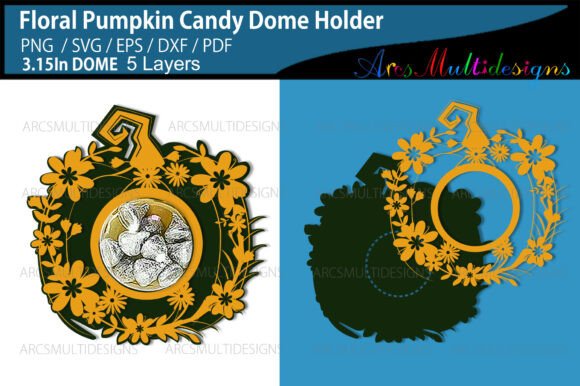
The immediate mood of the Floral Pumpkin Candy Dome Holder is warm, inviting, and distinctly autumnal. Unlike generic pumpkin clips that rely solely on orange fills, this design incorporates floral elements that soften the traditional Halloween or Thanksgiving aesthetic. For a designer, this is a crucial distinction. It allows the motif to transition seamlessly from late October into November, extending the shelf life of any finished product you create.
The layout suggests a balanced composition, likely intended for center placement on medium-to-large items. The visual personality is rustic yet refined, making it suitable for both modern farmhouse styles and traditional home decor. When viewing the 3D SVG preview, one must remember that screen rendering differs from thread reality. The key question is always: will those delicate floral petals translate well into stitch work, or will they become lost in dense fill areas?
Real-World Application Scenarios
To truly test the viability of this design, I imagined several production scenarios common in my studio and among my clients. The most natural fit for the Floral Pumpkin Candy Dome Holder is undoubtedly a seasonal tote bag design. Imagine this motif stitched onto a heavy canvas tote using earthy thread colors like burnt sienna, olive green, and cream. The durability of the bag combined with the festive imagery creates a high-value handmade product that customers love for grocery runs or farmers' market visits.
Another strong candidate is sweatshirt embroidery. A crewneck sweatshirt in heather gray or oatmeal provides a neutral backdrop that allows the pumpkin and floral details to pop. Here, the design acts as a statement piece. However, one must consider the fabric texture. Sweatshirt fleece is thick and textured, which can sometimes obscure fine details. If the design relies heavily on small running stitch outlines, they might sink into the pile. In such cases, adjusting the underlay or choosing a smoother fabric blend becomes essential.
For those running a craft business focused on home goods, this design shines on kitchen textiles. An apron or a set of tea towels featuring this motif makes for an excellent holiday embroidery gift. The "candy dome" aspect of the title suggests a connection to serving or hosting, reinforcing its suitability for kitchenware. Additionally, consider using it as an embroidered patch. Patches are versatile design assets that can be ironed onto jackets, hats, or backpacks, allowing customers to customize their own gear.
Technical Considerations for Stitching
When working with any new embroidery file, technical due diligence is non-negotiable. Before committing to a final custom apparel piece or a batch of products for your small shop product line, you must address several mechanical factors.
- Hoop Size: Verify the dimensions of the design against your machine’s capabilities. While specific hoop sizes are not listed in the brief description, a pumpkin motif of this nature typically requires at least a 5x7 or 6x10 hoop to maintain proportion. Always check the file details before purchasing.
- Stitch Density: Examine the preview for dense areas. Pumpkins often use fill stitch patterns to create volume. If the density is too high, it can cause puckering, especially on lighter fabrics. Conversely, if it is too low, the fabric may show through. A test run on scrap fabric is mandatory to gauge this balance.
- Stabilizer Selection: Given the potential for varied applications, your choice of stabilizer is critical. For stretchy fabrics like t-shirts or baby clothes, a cut-away stabilizer is recommended to prevent distortion. For woven fabrics like linen towels, a tear-away may suffice, provided the stitch count is not excessive.
- Thread Colors: The success of this design hinges on contrast. Use a printable mockup or digital editing tool to simulate different thread colors against various fabric backgrounds. Dark fabrics will require careful planning to ensure the pumpkin does not disappear into the background.
Navigating Fabric and Surface Challenges
Not every surface is ideal for every design. The Floral Pumpkin Candy Dome Holder features intricate elements that may struggle on certain materials. For instance, highly textured fabrics like bouclé or thick terrycloth can swallow small details. If you plan to use this on a baby embroidery item, such as a onesie, ensure the design is scaled appropriately so that no tiny, loose stitches pose a safety hazard or aesthetic flaw.
Curved surfaces, such as caps or hats, present another challenge. While the design could work on a structured cap, the floral extensions might distort if the curvature is too steep. In these cases, simplifying the design or using an applique design technique—where fabric pieces are stitched down rather than fully filled with thread—can reduce bulk and improve clarity. This is particularly useful for commercial embroidery projects where consistency and speed are paramount.
Additionally, be cautious with thin or delicate fabrics. High stitch density can pull and pucker lightweight cottons or silks. If you are creating a luxury personalized gift on such material, consider using a water-soluble topping to keep stitches flat and prevent sinking.
Commercial Viability and Brand Consistency
For digital product sellers and creative entrepreneurs, the appeal of a design lies in its versatility and marketability. The Floral Pumpkin Candy Dome Holder offers strong potential for Thanksgiving themed collections. Its blend of floral and pumpkin imagery appeals to a broad demographic, from young families to older homeowners.
When integrating this into your brand, consider how it aligns with your existing design assets. Does it match your color palette? Does it fit your aesthetic narrative? Consistency builds trust. If your brand is known for minimalist designs, this detailed motif might feel out of place unless adapted. However, for brands focused on cozy, seasonal warmth, it is a perfect fit.
Moreover, the rise of printable mockup usage in online listings means you can showcase this design on various products without physically stitching every sample. This saves time and resources while allowing you to test market response. Ensure your mockups accurately represent the stitch texture to manage customer expectations.
Final Designer Notes
Before launching any embroidery project featuring this design, take these final steps:
- Test on Scrap: Always stitch out the design on the same fabric type you intend to use for the final product. This reveals issues with tension, density, and color contrast.
- Check Licensing: The product description states this is an instant download digital file. Confirm the license terms regarding commercial use. Most designers allow selling finished physical items but prohibit reselling the digital file itself. Clarify this to protect your Etsy seller account and legal standing.
- Inspect Details: Zoom in on the digital file. Look for potential jump stitches or unnecessary trims that could slow down production. Editing software can often optimize these paths.
- Consider Seasonality: Plan your production schedule. Start marketing these items in early autumn to maximize sales through Halloween and Thanksgiving.
In conclusion, the Floral Pumpkin Candy Dome Holder is a promising addition to any seasonal library. With careful attention to fabric choice, stabilizer, and stitch optimization, it can elevate your handmade presentation and drive engagement. Treat it not just as a graphic, but as a tactile element that interacts with the material world. By doing so, you ensure that every finished product you create reflects the professionalism and care your customers expect.