Reviewing Polka-dot Number 2 for Real Embroidery Projects
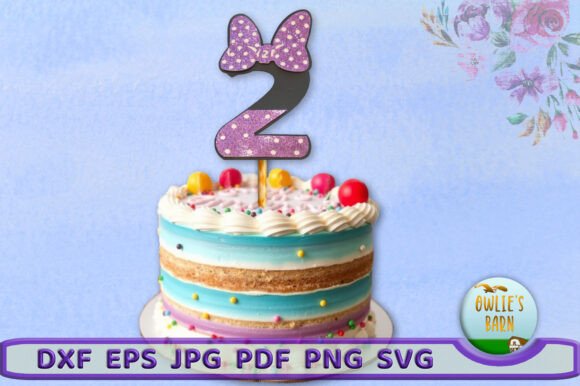
As a designer who spends more time staring at stitch simulations than I care to admit, I have learned that not every cute graphic translates well to thread. When I first opened the file for Polka-dot Number 2, my initial reaction was one of cautious optimism. It is a layered number design featuring a charming bow, clocking in at approximately 30cm high. For those of us in the craft business, that size is significant. It is not a subtle accent; it is a statement piece. But does it hold up under the needle? I decided to put this digital embroidery file through its paces to see if it deserves a spot in your commercial library.
First Impressions and Visual Personality
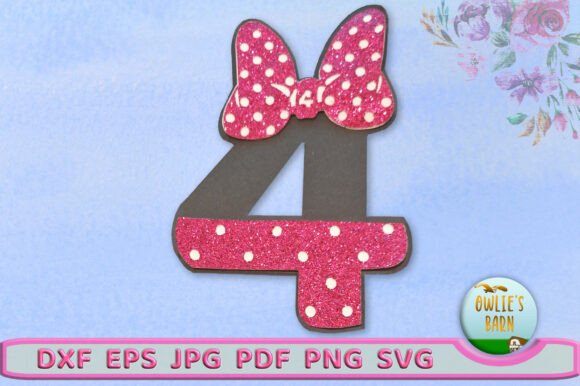
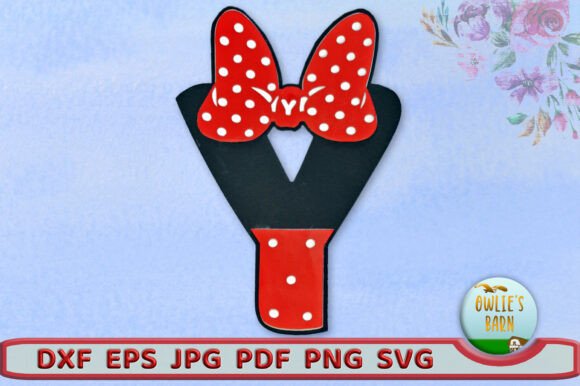
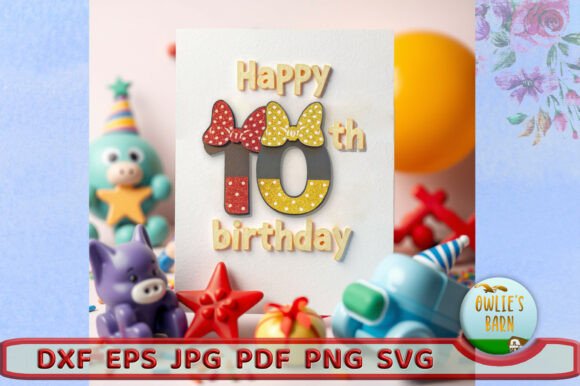
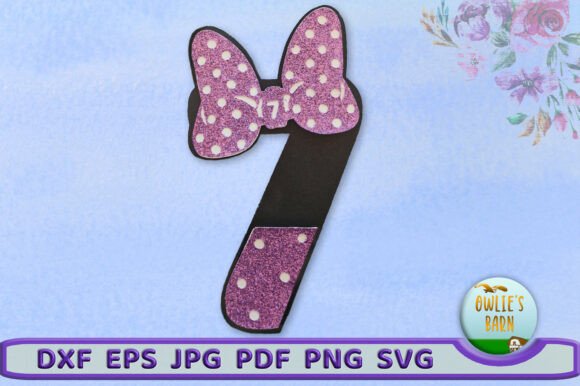
The aesthetic of Polka-dot Number 2 leans heavily into playful celebration. The polka-dot motif within the number itself adds texture without requiring excessive stitch density, which is a smart design choice. The addition of the bow softens the geometric rigidity of the numeral, making it feel approachable and sweet. This visual personality screams Birthdays. It is perfectly suited for milestone celebrations, from first birthdays to sweet sixteens. However, because it is a 3D SVG format suitable for hand or machine cutting, it offers versatility beyond just stitching. You can use it for paper crafts, but my focus here is strictly on how it performs as a machine embroidery design.
The layout is balanced, but the layering implies depth. In embroidery, depth usually means multiple color changes or careful applique work. Before loading this onto my machine, I had to consider how those layers would stack up physically. Would the bow sit flat, or would it bunch? These are the questions that separate a hobbyist from a professional embroidery product reviewer.
Real-World Application: The Custom Tote Test
To truly evaluate this design, I needed a real-life scenario. I chose to create a custom embroidered tote bag for a client’s daughter’s fifth birthday. A canvas tote provides a stable, medium-weight fabric that is forgiving for larger designs. Since Polka-dot Number 2 is approximately 30cm high, it dominates the front of a standard tote. This is ideal for a personalized gift where the recipient’s age is the star of the show.
I opted for an applique design approach for the number body to keep the stitch count manageable and the fabric from puckering. Using a satin stitch for the border and the bow added a nice sheen that contrasted well with the matte cotton of the bag. The result was crisp. The polka dots, rendered in a contrasting thread color, popped nicely against the base fabric. Customers love this kind of clarity. It looks professional, not homemade in the messy sense, but handmade with intention. For an Etsy seller, this level of finish builds trust. It shows that you understand how to handle large-scale embroidery projects without sacrificing quality.
Fabric Considerations and Stitch Behavior
While the tote bag was a success, I would hesitate to use Polka-dot Number 2 on thinner or stretchier fabrics without significant modification. The sheer size of the design means there is a lot of thread tension involved. If you attempt this on a lightweight t-shirt or a silky baby onesie, you risk severe puckering. The stabilizer choice becomes critical here. I recommend a heavy-cutaway stabilizer for any garment that will be washed frequently. For items like pillow covers or kitchen towels, a tear-away might suffice if the fabric is sturdy, but always test on scrap fabric first.
Dark fabrics present another challenge. The polka-dot detail relies on contrast. If you stitch white dots on a black number on a navy sweatshirt, you might lose definition. I always advise checking your design in a black-and-white mockup before committing to thread colors. Ensure that the fill stitch density of the number does not overwhelm the fabric texture. On thick fleece or hoodies, the design sits beautifully, adding a boutique feel to simple apparel. However, on curved surfaces like caps, a 30cm design is simply too large. This is strictly for flat or gently curved areas like the back of a jacket or the front of a apron.
Commercial Viability for Small Shops
For small shop owners and creative entrepreneurs, Polka-dot Number 2 is a versatile asset. It fits neatly into several profitable niches: holiday embroidery, birthday banners, and personalized nursery decor. Because it is a digital product only, you have the flexibility to resize it within your software, provided you maintain the aspect ratio so the bow does not distort. I found that scaling it down slightly for a patch or a pocket detail on a child’s denim jacket worked well, as long as the smallest details remained stitchable.
The design’s clean lines make it easy to create printable mockups for your online store. High-quality previews sell products. When customers see a clear, vibrant representation of what the finished product will look like, conversion rates improve. Whether you are selling the physical embroidered item or using the design to create other digital assets, the professional appearance of this number adds value to your brand consistency.
Practical Designer Notes and Tips
Before you rush to buy and stitch, here are my practical notes for getting the best results with this file:
- Check Licensing: Always confirm the license terms before selling finished items. While this is a digital embroidery file, commercial use rights vary. Ensure you are compliant if you plan to sell these on Etsy or at craft fairs.
- Thread Contrast: The polka dots need to stand out. Choose thread colors that have high contrast against the number’s base color. Avoid low-contrast combinations unless you are going for a subtle, tonal look.
- Hoop Size: Given the 30cm height, ensure your machine has a hoop large enough to accommodate the design in one go. Hooping seams or re-hooping large designs can lead to alignment issues.
- Stabilizer Selection: Do not skimp on stabilizer. For a design of this magnitude, proper support is non-negotiable to prevent distortion.
- Test Stitch: Always run a test stitch on a similar fabric scrap. Check the stitch density and ensure the bow layers do not overlap in a way that causes thread breaks.
Final Verdict
Polka-dot Number 2 is a solid addition to any embroidery designer’s toolkit, particularly for those focusing on children’s apparel and celebratory gifts. It balances whimsy with structural simplicity, making it relatively easy to stitch while still looking impressive. It is not a design for every fabric or every project, but when used correctly on stable materials like canvas, denim, or fleece, it delivers a high-quality finished product. For the handmade shop owner looking to expand their birthday collection, this design offers a reliable, eye-catching option that customers will appreciate. Just remember to respect the scale, choose your stabilizer wisely, and let the design do the talking.