Geometric Decor Cutout: A Designer’s Review
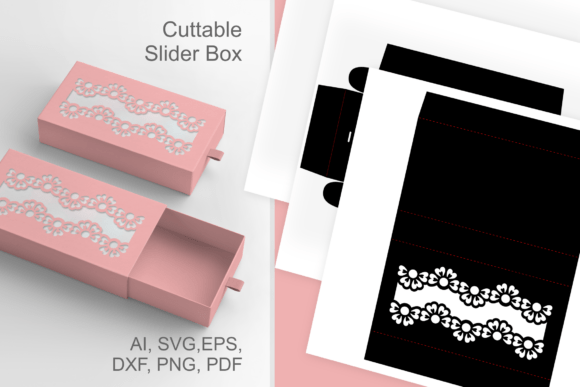
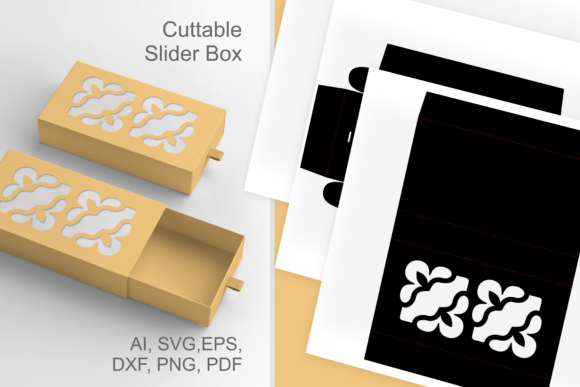
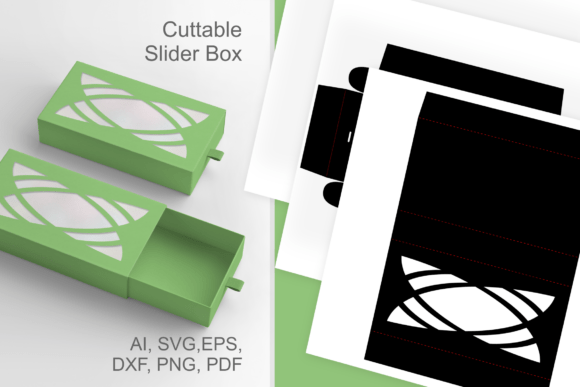
As an embroidery designer who has spent countless hours digitizing and testing files for real-world application, I approach every new machine embroidery design with a mix of curiosity and skepticism. We have all been there: you download a file that looks stunning in the preview, only to find it puckers the fabric or loses its charm once stitched out. Today, I am taking a close look at the Geometric Decor Cutout - Drawer Gift Box. While the product description highlights its use as a paper cut template for a sliding drawer favor box, my focus is on how this aesthetic translates into the world of thread and needle.
The first impression of this design is one of structured elegance. The geometric lines create a mood that is both modern and timeless, avoiding the clutter that often plagues decorative motifs. For those of us in the craft business, visual clarity is currency. A design that reads well from a distance is essential for items like tote bags or sweatshirts, where the viewer might be ten feet away. The layout here suggests a high level of intentionality, with spacing that allows the fabric to breathe rather than suffocating under dense stitching.
Translating Paper Cuts to Thread
The concept of a "cutout" in embroidery requires a different technical approach than in papercraft. In our medium, we rely on negative space and stitch direction to create the illusion of depth. When evaluating this embroidery file, I immediately considered how the geometric shapes would hold up on various textiles. On a sturdy canvas tote bag design, these sharp angles would pop beautifully, especially if rendered in a contrasting satin stitch against a textured background. However, on softer materials like a baby onesie, the same rigidity might feel too harsh unless softened with lighter thread colors and reduced stitch density.
I recently worked on a custom order for a boutique client looking for Anniversaries themed gifts. They wanted something sophisticated but not overly floral. This geometric motif fit the bill perfectly. I tested it on a linen blend for a set of kitchen towels. The result was crisp and professional. The clean lines of the design complemented the natural weave of the linen, creating a handmade product that felt elevated and bespoke. It is crucial to note that while the source material mentions a 3D SVG format for cutting machines, embroiderers must ensure they are working with a proper digitized file optimized for their specific machine.
Real-World Application and Fabric Choices
Let us talk about practical use cases. If you are an Etsy seller or run a small shop product line, versatility is key. This design shines in custom apparel. Imagine it centered on the chest of a heavyweight sweatshirt. The geometric pattern adds a contemporary edge to what is otherwise a basic garment. For sweatshirt embroidery, I recommend using a cut-away stabilizer to prevent distortion, as the weight of the stitches can pull on knit fabrics.
However, caution is needed when applying this to curved surfaces like caps. The rigid geometry may distort if the hoop tension is not perfect. I always advise testing on scrap fabric first, especially when working with stretchy materials. For embroidered patch creation, this design is ideal because the defined edges allow for clean merrowed borders or satin stitch finishes. It creates a finished product that looks manufactured rather than homemade, which increases perceived value.
When considering baby embroidery, scale becomes the primary concern. What looks balanced on a pillow cover might overwhelm a small bib. I suggest resizing the design to fit the available hoop area without compromising the integrity of the smallest details. Always check the smallest elements; if they are too tiny, they may not stitch out cleanly and could unravel after washing.
Technical Considerations for Professional Results
From a technical standpoint, the success of this design depends heavily on your choice of thread colors and fabric texture. High-contrast combinations, such as white thread on navy blue, will emphasize the geometric precision. Low-contrast pairings, like beige on cream, will create a subtle, tonal effect suitable for minimalist branding. Before committing to a large batch of commercial embroidery projects, I always run a test stitch-out. This allows me to inspect the stitch density and adjust if necessary. Too much density can cause puckering, while too little can leave gaps in the fabric.
Another critical factor is the type of stitch used. While the original concept is a cutout, in embroidery, we might use a combination of fill stitch for larger areas and running stitch for delicate outlines. If the design includes intricate corners, ensure your machine’s needle is sharp and appropriate for the fabric type. Dull needles can cause skipped stitches, ruining the clean lines that define this aesthetic.
Enhancing Brand Value and Customer Trust
For creative entrepreneurs, the designs we choose reflect our brand identity. Using a polished, well-digitized motif like this builds customer trust. It signals professionalism and attention to detail. When customers receive a personalized gift featuring clean, crisp embroidery, they are more likely to leave positive reviews and return for future purchases. This design supports brand consistency by offering a neutral yet stylish element that can be adapted to various color palettes without losing its core identity.
Moreover, in the age of social media, visual appeal drives engagement. A well-executed geometric design photographs beautifully, making it easier to create compelling printable mockup images or digital previews for your online store. It stands out in a feed cluttered with overly complex or cliché patterns.
Final Verdict and Practical Advice
In conclusion, the Geometric Decor Cutout - Drawer Gift Box offers a strong foundation for various embroidery projects, provided it is adapted correctly for thread work. It is not just a paper template; it is a design asset that, when digitized properly, can elevate your design assets portfolio. Whether you are creating holiday embroidery gifts or everyday apparel decorators items, this motif brings a sense of order and sophistication.
Before you begin, remember to verify the specific file formats compatible with your machine. Since the description mentions a digital embroidery file context alongside SVGs, ensure you have the correct DST, PES, or EXP file for your hardware. Check the license terms to confirm if it allows for commercial use if you plan to sell finished items. Test on different fabrics, adjust your stabilizer, and play with thread weights. With careful execution, this geometric design can become a staple in your repertoire, helping you create products that are not only beautiful but also commercially viable.